Against Forgetting: Muslim Women Using Art to Remember the Massacred Afzaal Family in Canada
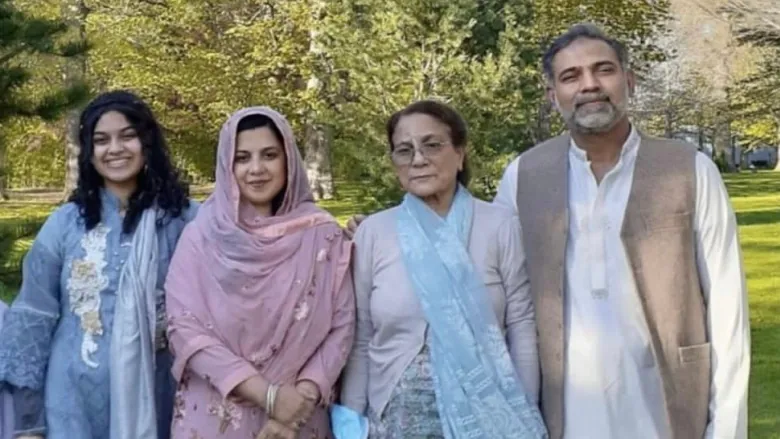
The Afzaal Family. Source: islamophobia.io
Canada is often celebrated internationally as a model of multiculturalism. A country that prides itself on diversity, tolerance, and the peaceful coexistence of different cultures and religions. Yet beneath this image lies a more troubling reality that many Muslim communities know all too well.
In recent months, Canada has witnessed what some scholars describe as a collective forgetting about Islamophobia1. A 2023 report from the Senate of Canada2 found that between 2016 and 2021, Canada recorded the highest number of Islamophobia-motivated killings among G7 countries. Yet for many Muslims in Canada, Islamophobia is not an abstract debate or a statistic buried in policy reports. On a summer evening in June 2021, that reality became tragically visible in the city of London, Ontario. Four members of the Afzaal family; Salman Afzaal, Madiha Salman, Yumna Afzaal, and Talat Afzaal, were killed in what authorities later described as a targeted Islamophobic attack. The family had simply been out for an evening walk in their neighbourhood when a driver intentionally struck them with a vehicle.
In the days that followed, thousands gathered in parks and public spaces across the city, leaving flowers, handwritten messages, and candles in memory of the family. Yet alongside mourning, another response began to emerge, one deeply rooted in Muslim cultural and spiritual traditions: Art.
Art as a Language of Grief
Across Muslim societies, artistic traditions have long been intertwined with spirituality, memory, and communal reflection. Poetry, recitation, and calligraphy have historically served as ways to honour the dead, process loss, and reconnect with faith.
In the aftermath of the Afzaal family murders, these traditions took on contemporary forms. Community members wrote poems and shared them publicly during memorial gatherings. Spoken word and reflective readings allowed people to articulate grief that often felt too overwhelming for everyday conversation. In Islamic literary traditions, elegiac poetry—known as “rithā” has long been used to mourn loss while affirming dignity and remembrance.
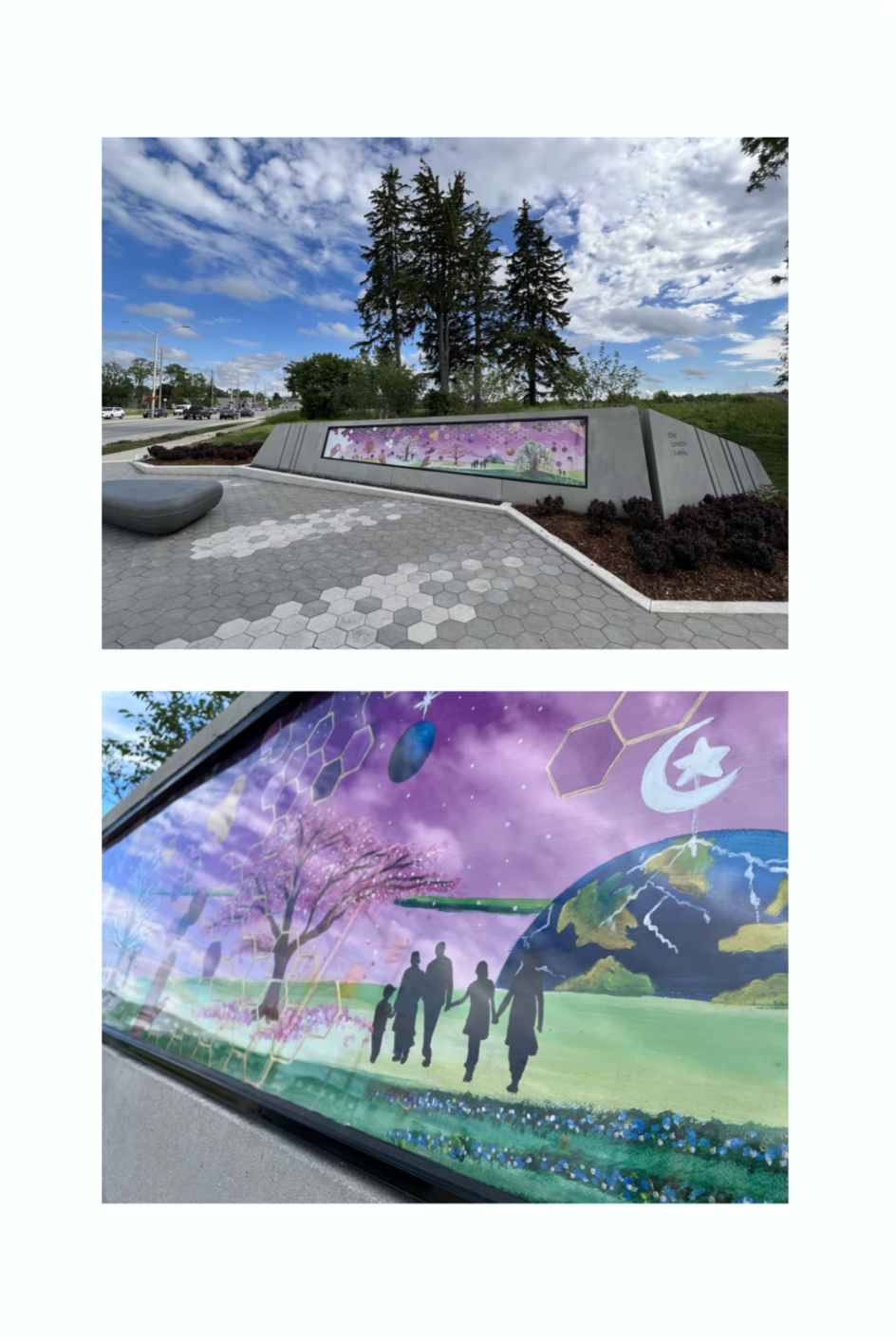
Artwork at the London Family Memorial Plaza. Pic by Author3
Calligraphy also appeared in posters, online tributes, and memorial art shared across social media. Arabic phrases invoking peace, mercy, and remembrance circulated widely, transforming language into visual symbols of solidarity. Within Islamic artistic tradition, calligraphy holds a special place because it unites beauty, language, and spiritual meaning. Through these artistic expressions, grief was not only spoken, it was made visible.For many Muslim women activists in London, art also became a way to reclaim public space.
The Afzaal family had been targeted while simply walking in their neighbourhood, an ordinary act of belonging in the city they called home. The violence therefore threatened something deeper than safety; it challenged the sense that Muslims belonged in Canadian public life.Creative expression became a response to that rupture.
Visual memorials appeared in parks and community spaces. Collaborative art initiatives invited people from different backgrounds to write messages of solidarity. Digital storytelling projects documented reflections from community members, ensuring that the tragedy, and the community’s resilience, would not be forgotten.
These artistic practices transformed grief into collective remembrance. Art allowed Muslim women to speak openly about Islamophobia while resisting narratives that portray Muslim communities solely through victimhood. Instead, creativity highlighted resilience, dignity, and care.
The Spiritual Dimensions of Artistic Expression
Within Islamic aesthetics, art has long been connected to the pursuit of beauty as a reflection of divine creation. The concept of “ihsan”, often understood as spiritual excellence or beauty in action, encourages Muslims to cultivate beauty in both worship and everyday life. This spiritual dimension was visible in the community’s response.
Storytelling circles and poetry gatherings created spaces where participants shared memories of the Afzaal family and reflected on the values they represented—kindness, generosity, and faith. These gatherings were not merely artistic events ; they were acts of remembrance.
In many ways, art functioned as a form of dhikr, or remembrance. Through words, images, and shared narratives, the community continued to speak the names and lives of those lost. Art became a bridge between mourning and hope.
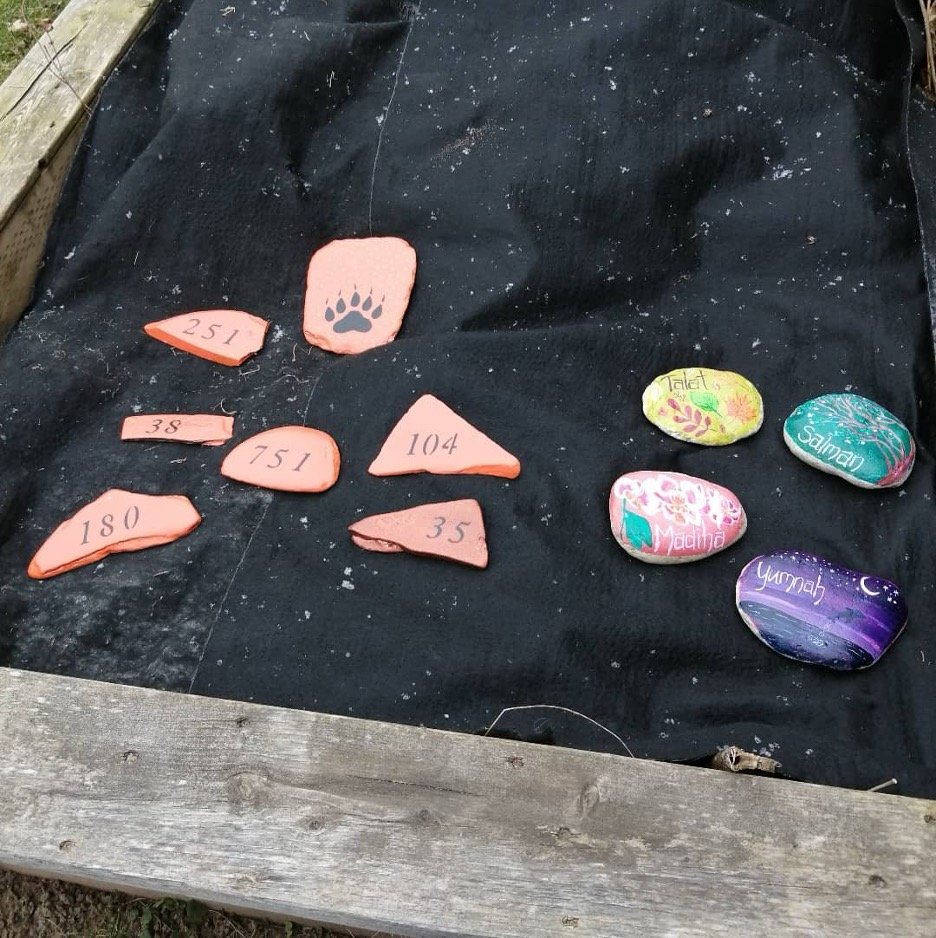
K.Hand-painted rocks by Muslim women artist and Indigenous artist Steve Maracle displayed at Coldstream Library’s gardens4.
Source:Art by Aruba
For me, the Afzaal family murders were not only a national tragedy, they were deeply personal. As a Muslim woman who has lived in Canada for over a decade and is raising children here, the attack forced me to confront questions I had never imagined asking myself. That moment became a turning point in my work. As a researcher, I began turning more intentionally toward digital storytelling as an art-based research method, one that could hold grief, testimony, and collective memory at the same time. Through storytelling workshops and creative documentation, I sought to create spaces where Muslim women could share their experiences of Islamophobia in their own voices. What began as a response to grief gradually evolved into a broader initiative. This work contributed to the launch of the Fearless Cities Project, a community-based project that uses storytelling and creative expression to confront gendered Islamophobia in Canada and support Muslim women in reclaiming their narratives. The initiative link: www.Fearlesscities.ca
Art as Moral Architecture
When people think of Muslim art and architecture, they often imagine historic mosques, intricate geometric patterns, or ornate calligraphy decorating sacred spaces. These forms remain powerful expressions of Islamic artistic heritage.
Yet art also lives in more fragile and temporary spaces: The handwritten messages left at memorial vigils, the poems read aloud during community gatherings,the digital stories documenting grief and resilience.
These practices may not resemble traditional monuments, yet they function as a different kind of architecture—an architecture of memory.
In London, Ontario, Muslim women used artistic expression to rebuild community in the face of hate. Poetry circles, storytelling gatherings, visual memorials, and digital tributes became spaces where grief could be shared and transformed. Through these creative acts, the community asserted that the lives lost would not disappear into silence. Art became a structure of care.
Today, as public conversations about Islamophobia in Canada continue to shift, and sometimes retreat, the memory of the Afzaal family remains a reminder of what is at stake; Art resists that forgetting.
In this sense, art becomes more than expression. It becomes testimony.
Against the pressures of forgetting, these artistic practices offer something enduring: a living archive of memory, dignity, and resistance.
Footnotes:
- https://policyoptions.irpp.org/2026/02/islamophobia-office/
- https://sencanada.ca/content/sen/committee/441/RIDR/reports/Islamophobia_FINAL_e.pdf
- London Family Memorial Plaza in London is a public memorial space created to honor the memory of the Afzaal family—Salman, Madiha, Yumna, and Talat—who were killed in a targeted Islamophobic attack in June 2021.Located in the Hyde Park neighborhood where the attack occurred.
- The rocks honor #ourlondonfamily and the children affected by residential schools, symbolising remembrance and resilience
Reference:
Ramadan, K. (2024). Stories of Muslim women activists in London, Ontario: Responses to the Afzaal family murders [Master’s thesis, Carleton University]. Carleton University Institutional Repository. https://carleton.scholaris.ca/items/94686c6d-624c-4a69-88d3-a06db0003931
(The views expressed in this article are the author’s own. Content can be used with due credit to the author and to ‘Zariya: Women’s Alliance for Dignity and Equality’)
About the Author
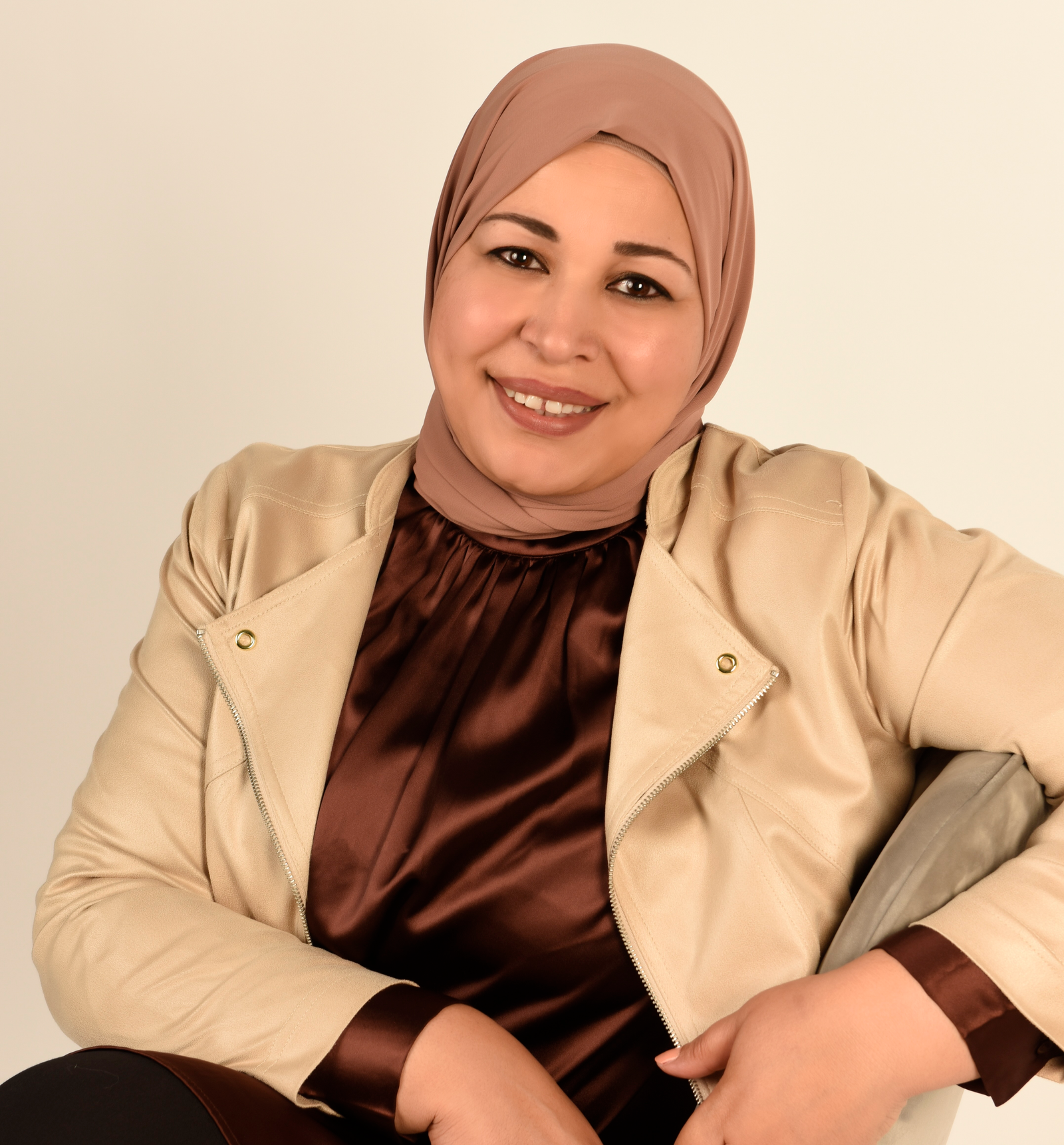
Kawther-Alkholy Ramadan is a researcher, writer, and community organizer based in Canada. She is the Executive Director of the Women for Justice Foundation and a Ph.D. candidate in Social Innovation at Saint Paul University- University of Ottawa, Canada where her work focuses on storytelling as a decolonial method for social transformation. Her M.A. research examined how Muslim women activists in London, Ontario, Canada mobilized art and storytelling to respond to Islamophobia following the 2021 Afzaal family murders. Across her academic and community work, Kawther explores the intersections of faith, gender justice, memory, and transnational solidarity, centering Muslim women’s lived experiences and creative resistance.